
What Are Minims Eye Drops?
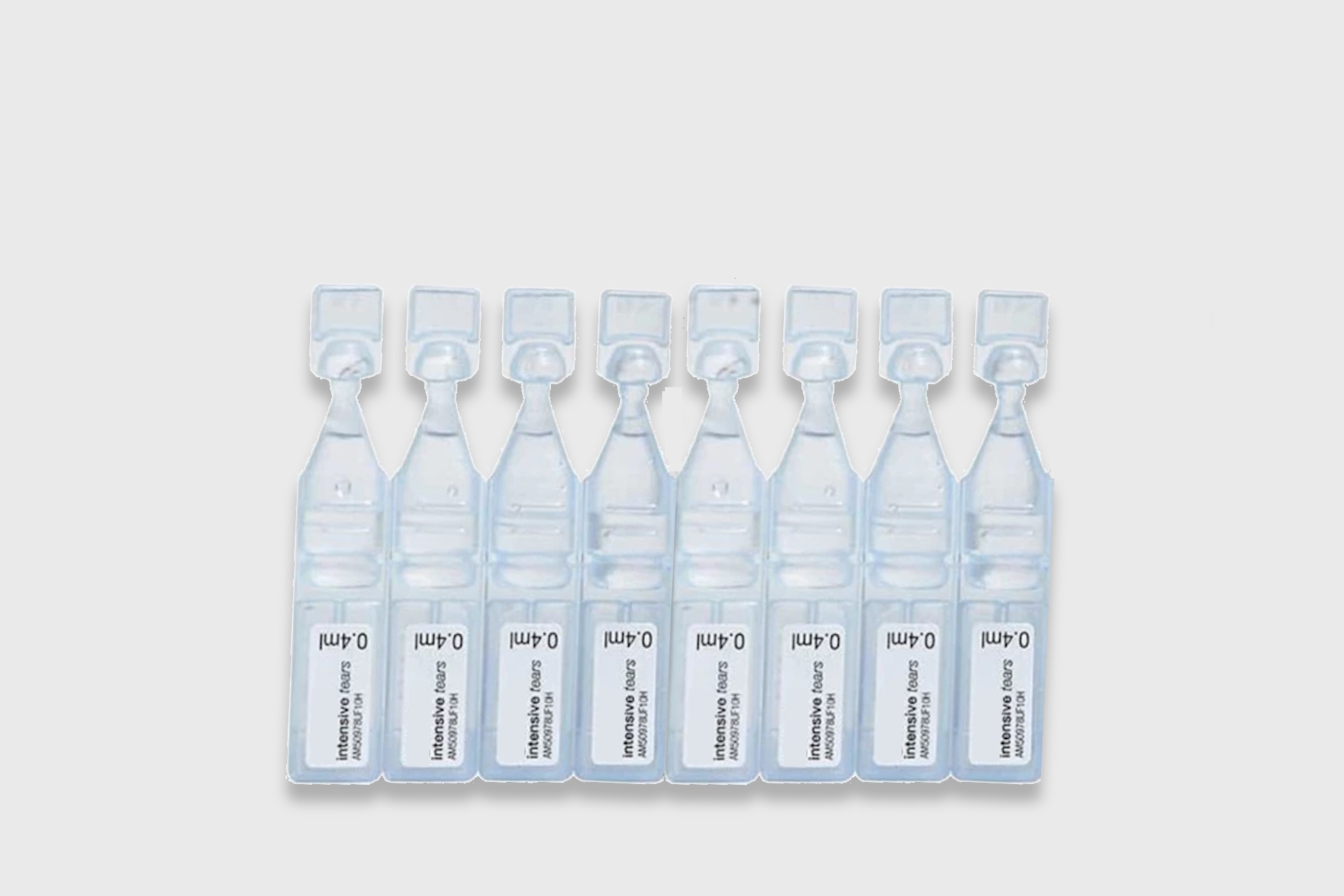
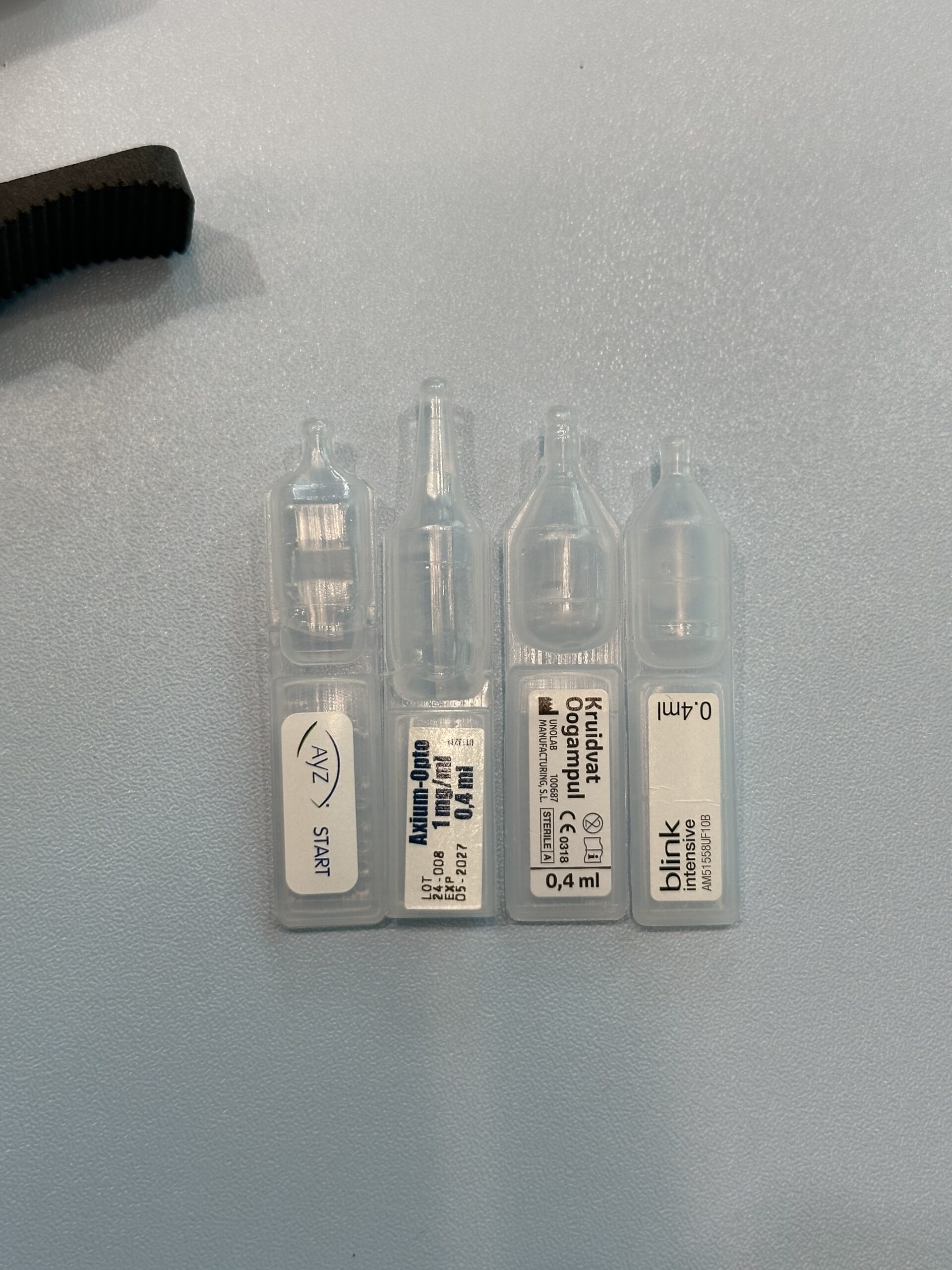
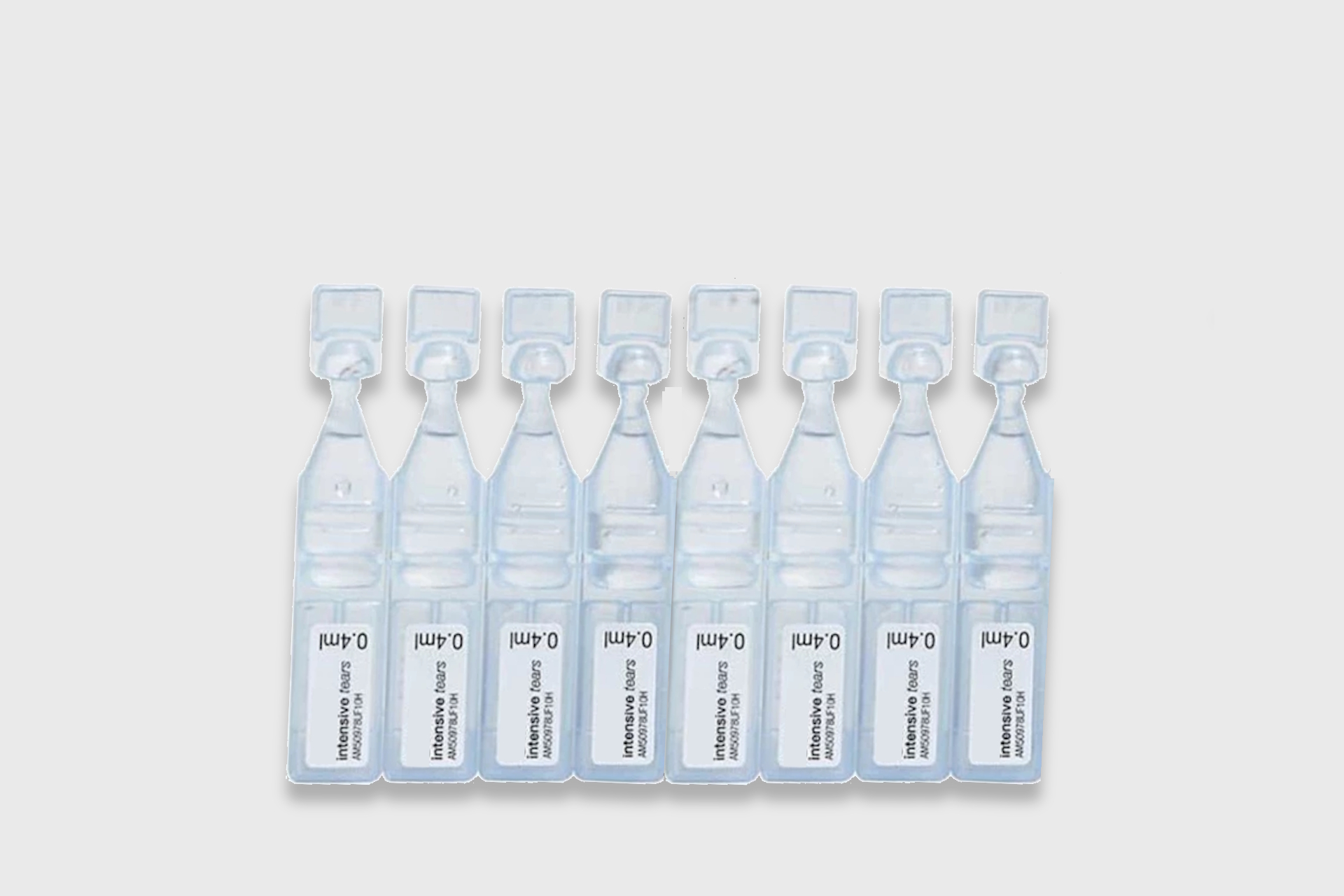
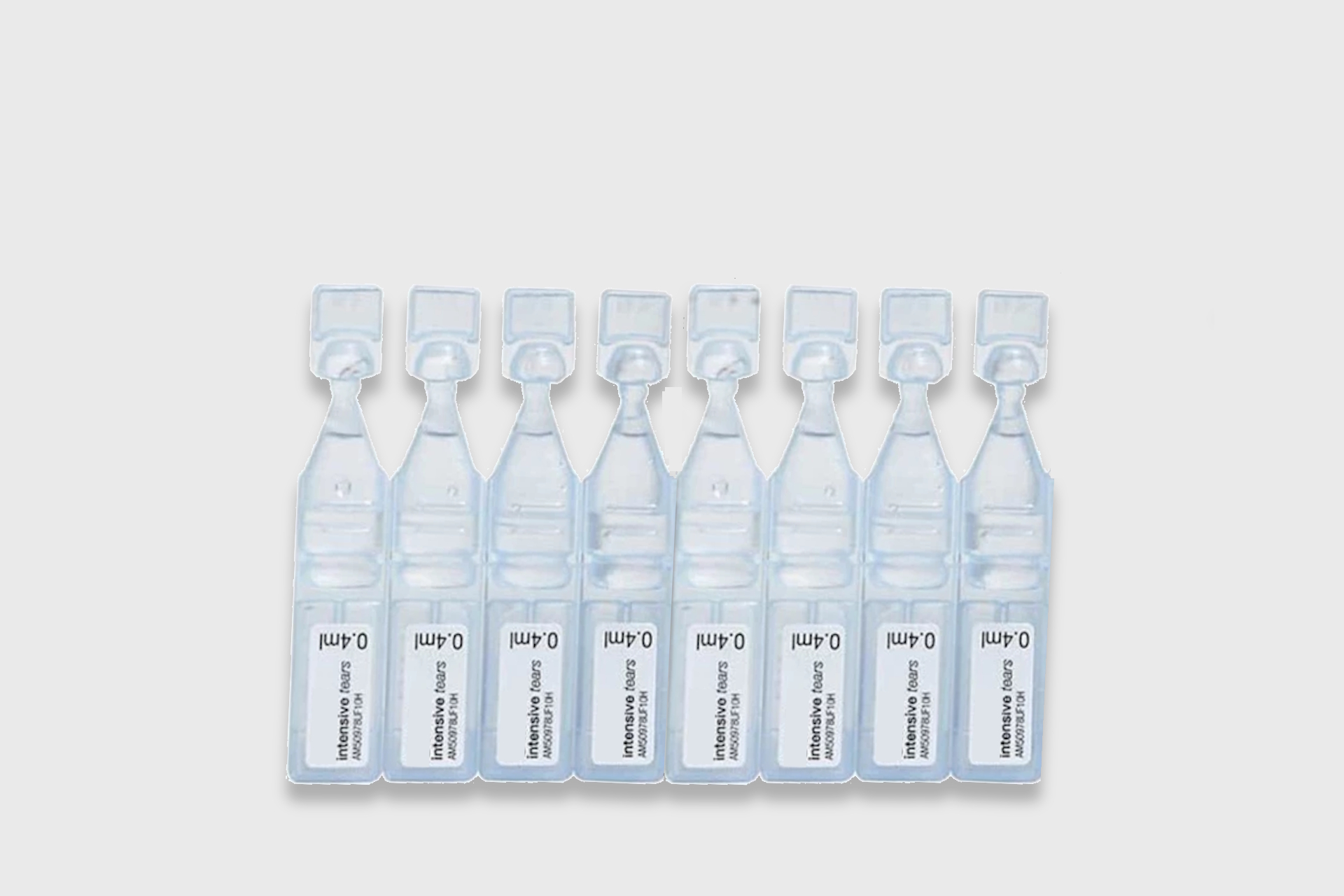
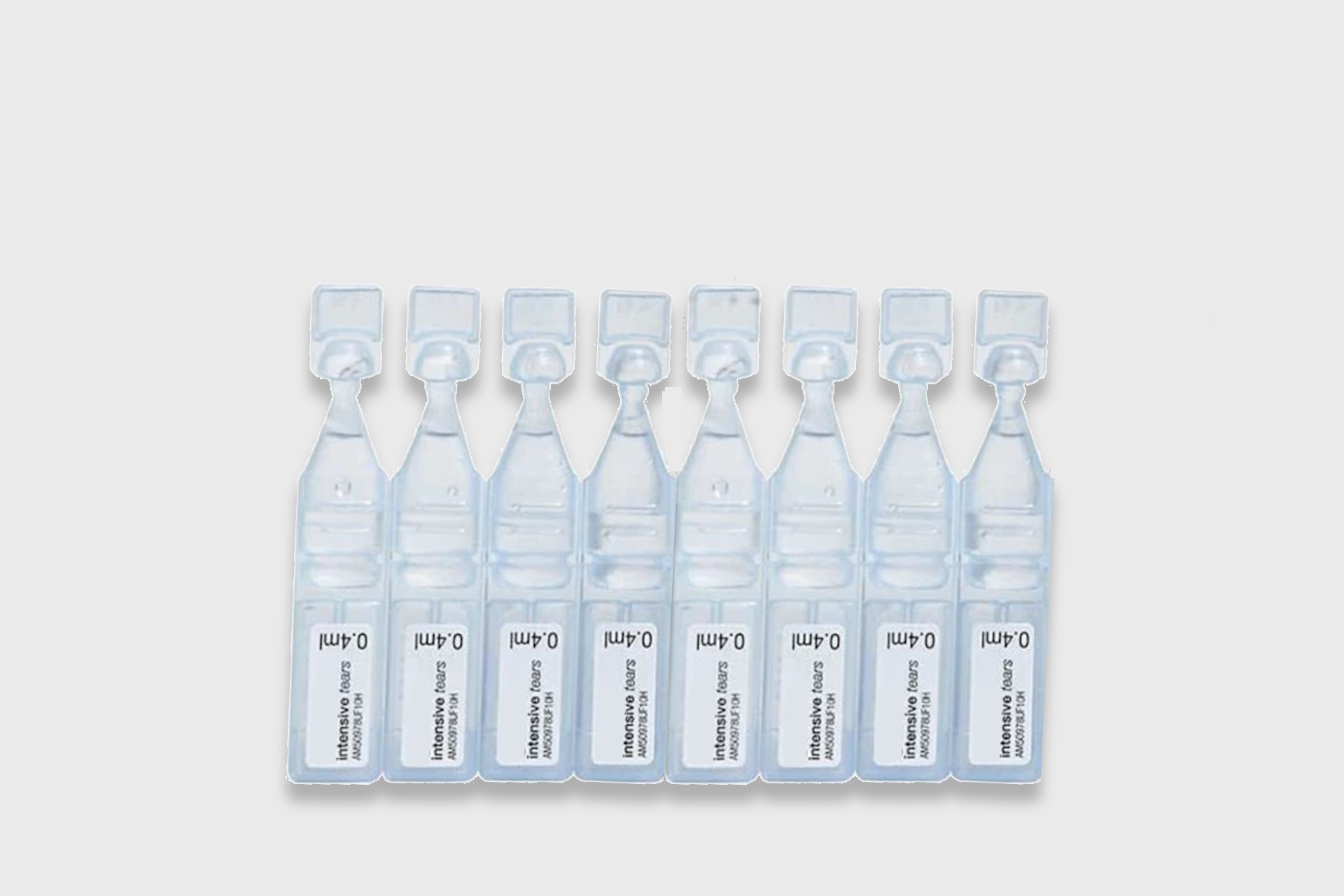
Minims eye drops are single-use containers that are designed to deliver a precise and sterile dose of medication to the eye. Unlike traditional eye drop bottles, which are opened and reused multiple times, minims are intended for one-time use and then discarded. This makes them particularly suitable in situations where hygiene is critical, such as after eye surgery or when using preservative-free medication. Because each unit is sealed individually, the risk of contamination is significantly lower compared to multi-use bottles.
Why Minims Eye Drops Are Used
The use of minims has increased over the years, especially in medical and post-operative care. Many patients who have undergone procedures such as cataract surgery are prescribed minims to reduce the chance of infection and ensure accurate dosing. In addition, people with sensitive eyes or chronic conditions often rely on preservative-free solutions, which are commonly delivered through single-use units. This makes minims not only a medical necessity in some cases, but also a preferred option for long-term eye care.
The Difference Between Minims and Regular Eye Drop Bottles
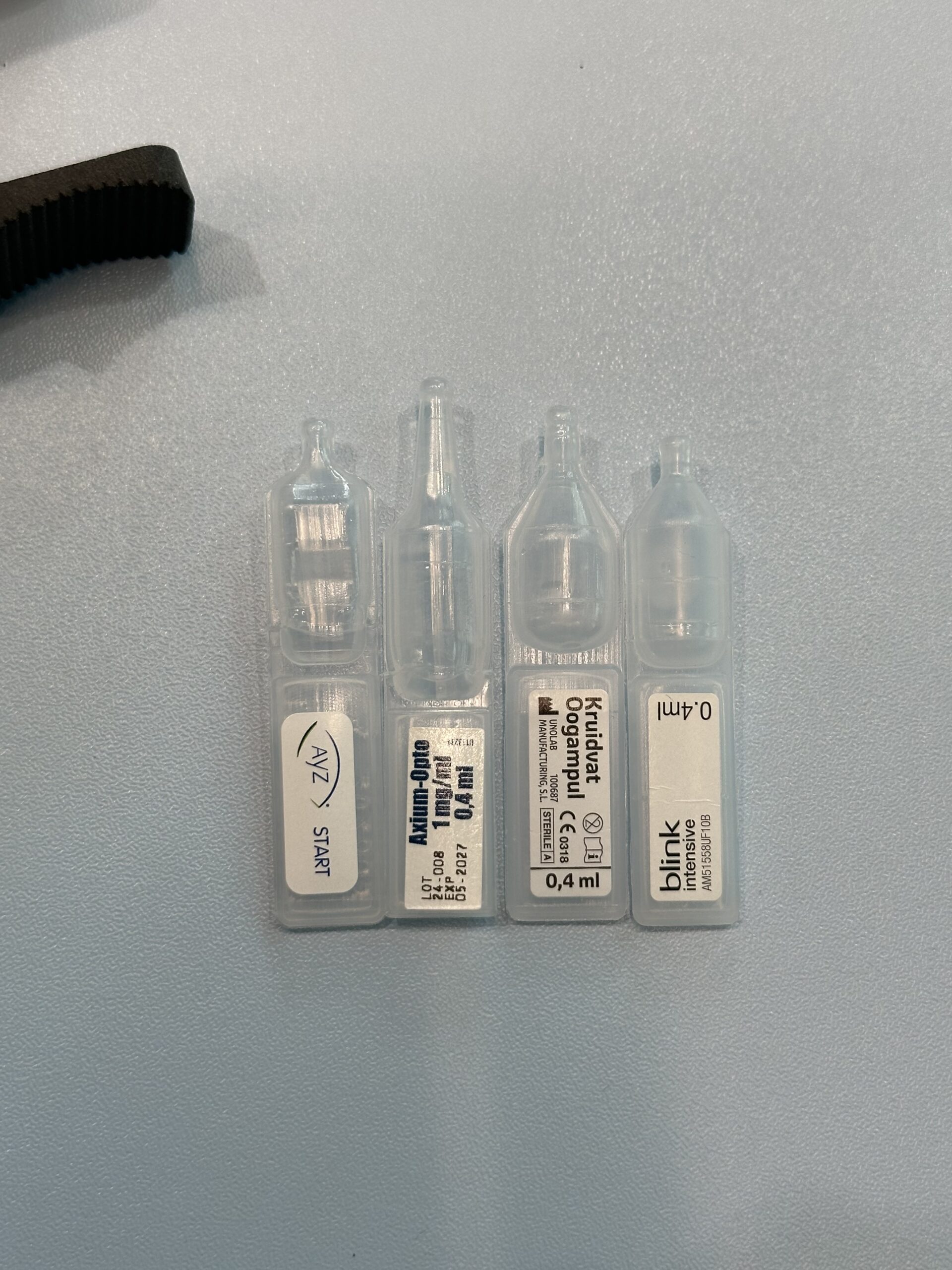
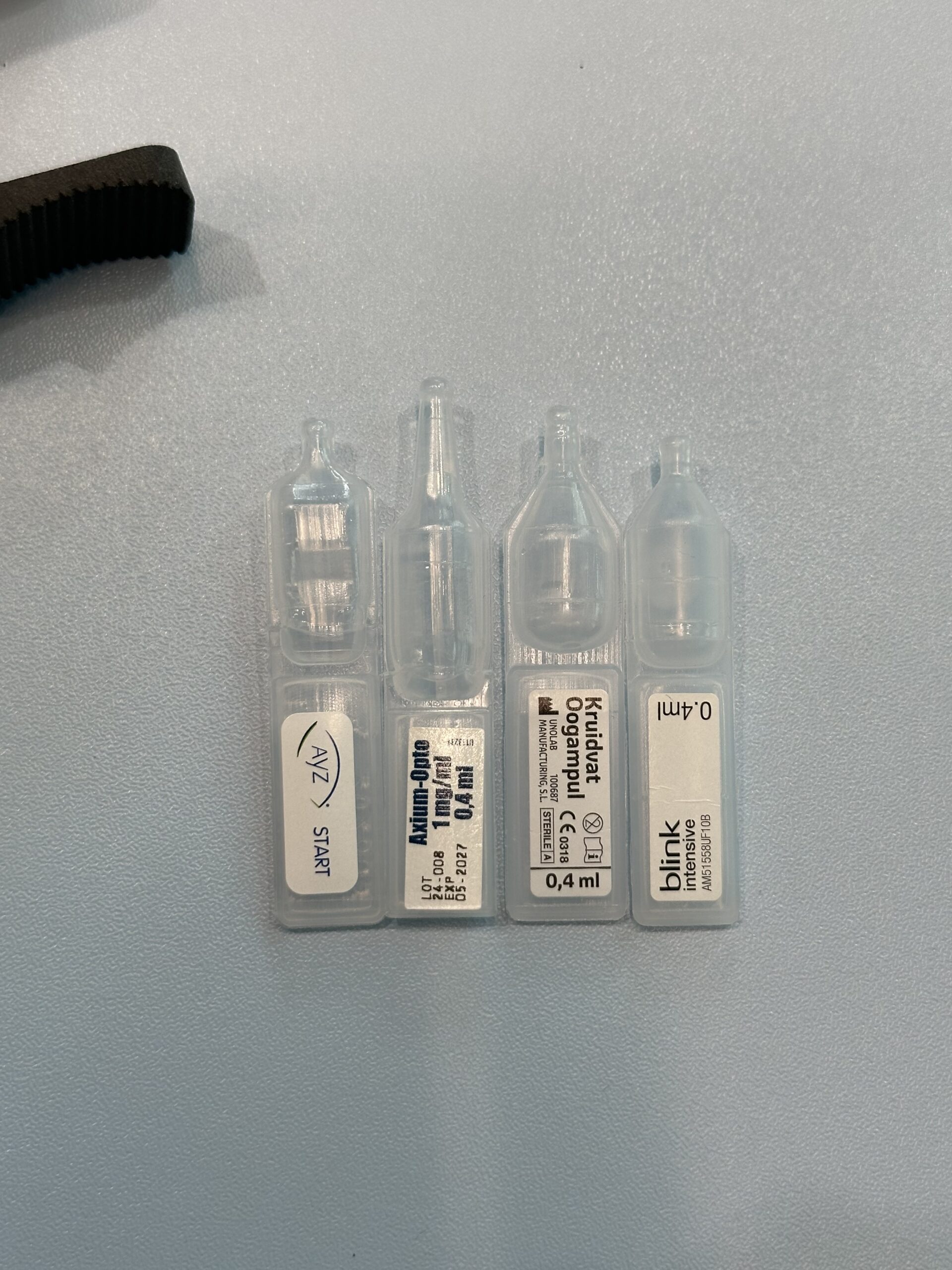
While minims offer clear advantages in terms of hygiene and safety, they also differ significantly from regular eye drop bottles in how they are used. Traditional bottles are designed for repeated use and are generally easier to hold due to their size and structure. Minims, on the other hand, are smaller, lighter, and more flexible, which can make them harder to control during application.
This difference in design directly affects usability. Where a standard bottle provides stability and controlled pressure, a minim requires more precision and coordination from the user.
Challenges When Using Minims Eye Drops
Although minims are medically effective, many users experience practical difficulties when using them. The small size of the container makes it harder to grip, especially for elderly users or people with reduced hand strength. Because the material is flexible, it can collapse quickly when pressure is applied, making it difficult to control the amount of liquid released.
Another common issue is coordination. Applying eye drops requires aiming and squeezing at the same time. With minims, this becomes more challenging because the container offers less stability. Many users find that they either release too much liquid or miss the eye completely, which leads to wasted medication and frustration.
Usability vs Hygiene: A Common Trade-Off
In practice, there is often a trade-off between hygiene and ease of use. Minims score highly on hygiene due to their single-use design, but they can be less user-friendly compared to traditional bottles. This is especially relevant for older adults, who are one of the main groups using eye drops regularly.
Healthcare solutions are often designed with medical effectiveness as the primary focus, while usability receives less attention. However, if a product is difficult to use, it can reduce adherence to treatment and overall effectiveness.
Are There Tools to Help With Minims?
Most traditional eye drop aids are designed for standard bottles and do not fit minims properly. This creates a gap for users who need the hygienic benefits of single-use drops but still struggle with application.
In response, newer types of solutions are being developed that focus on improving stability and positioning. Instead of only supporting the bottle, these solutions aim to reduce the coordination required from the user.
Some of these aids use a structured design, such as a frame or glasses-like system, to guide the position of the drop relative to the eye. This can help users apply drops more consistently. Certain designs are adaptable to different types of containers, including single-use units like minims, depending on compatibility.
Improving the Use of Minims in Practice
For people who use minims regularly, small adjustments can already improve the experience. Sitting down and supporting the arm on a stable surface can increase control. Using a mirror and ensuring good lighting can also help with positioning.
Taking time during application, rather than rushing, reduces the chance of missing the eye. In some cases, combining these techniques with a supportive tool can significantly improve both accuracy and consistency.
Conclusion
Minims eye drops provide a clear advantage in terms of hygiene and medical safety, particularly in sensitive or post-operative situations. Their single-use design reduces contamination risk and eliminates the need for preservatives.
At the same time, their small size and flexible structure can make them more difficult to use in practice. Understanding both the advantages and the limitations is essential when choosing the right solution.
For users who experience difficulties, supportive tools and improved techniques can help bridge the gap between medical effectiveness and ease of use.
Leave a Reply