
Glucose Meters
Managing diabetes requires consistent monitoring of blood sugar levels. For many patients, this means checking glucose levels multiple times per day. Without proper monitoring, it becomes difficult to understand how food, medication, and physical activity affect blood sugar.
In this guide, we explain how blood glucose meters work, why they are important for diabetes management, and what features patients should look for when choosing one.

What Is a Blood Glucose Meter?
A blood glucose meter is a portable medical device that measures the amount of glucose in a small drop of blood. The test is usually performed using a lancet to prick the finger, after which a drop of blood is placed on a test strip. The meter then analyzes the sample and shows the blood sugar level within a few seconds.
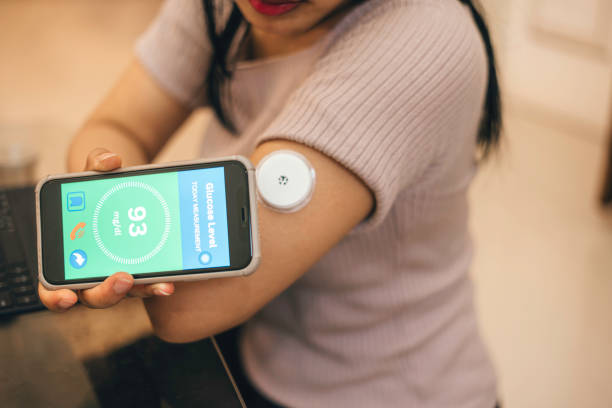
Most modern glucose meters are compact and easy to use. Many devices also store previous results so patients can track changes over time. Some advanced models can even connect to smartphone apps that provide additional insights and graphs.
Why Monitoring Blood Sugar Is Important
Monitoring blood glucose levels helps patients maintain stable blood sugar throughout the day. When glucose levels are too high or too low, it can lead to serious health problems. Regular testing helps identify these changes early.
For people with diabetes, blood sugar levels can fluctuate depending on several factors. Food intake, medication, stress, illness, and physical activity can all influence glucose levels. By checking levels regularly, patients gain better control over their condition.
Over time, these measurements also help doctors adjust treatment plans. Patterns in blood sugar levels provide valuable information about how well medication and lifestyle adjustments are working.

Key Features to Consider When Choosing a Glucose Meter
When selecting a blood glucose meter, several practical factors should be considered. Accuracy is one of the most important aspects, as reliable results are essential for proper diabetes management.
Ease of use is another key factor. Devices with large displays, simple buttons, and clear instructions are often easier to use, especially for older adults. Some meters also offer memory storage or smartphone connectivity to track long-term trends.
Cost is also relevant. In addition to the meter itself, users must purchase test strips regularly. Choosing a device with affordable test strips can significantly reduce long-term costs.
Benefits of Regular Blood Glucose Monitoring
Regular monitoring allows patients to understand how their daily habits influence blood sugar levels. By observing patterns in glucose readings, patients can make better decisions about diet, exercise, and medication timing.
Monitoring also helps prevent dangerous glucose fluctuations. Detecting high or low levels early allows patients to take action before symptoms worsen. This improves overall diabetes control and reduces health risks.
For many patients, blood glucose meters provide a sense of control. Instead of guessing how their body responds, they can rely on real data to guide their daily choices.
Conclusion
Blood glucose meters are essential tools for people living with diabetes. These devices provide quick and reliable measurements that help patients understand and manage their blood sugar levels.
By monitoring glucose regularly, patients can make better decisions about food, medication, and lifestyle habits. Over time, this leads to improved stability and better long-term health outcomes.
Whether using a traditional finger-prick meter or a continuous glucose monitor, the ability to track blood sugar levels is one of the most important parts of effective diabetes management.
Leave a Reply